Reduces Pain
Calms irritated nerve endings and reduces pain signals, giving relief that often starts within the first few sessions.
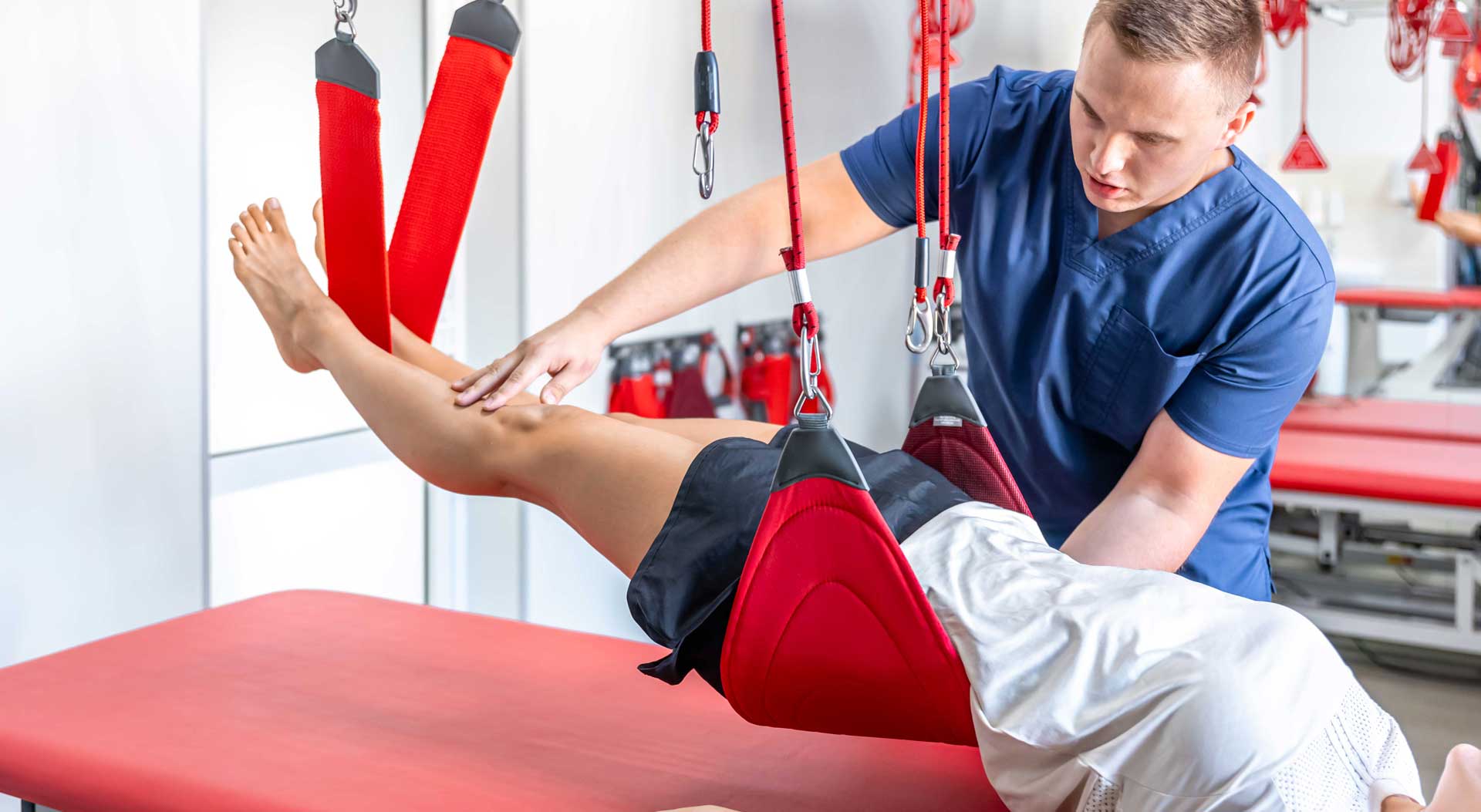
Laser therapy — also called low-level laser therapy (LLLT) or photobiomodulation — uses focused light energy to treat pain and injury. The light passes through the skin into muscles, tendons, ligaments and joints, where it boosts cell energy, improves blood flow and calms inflammation, helping the body repair itself faster.
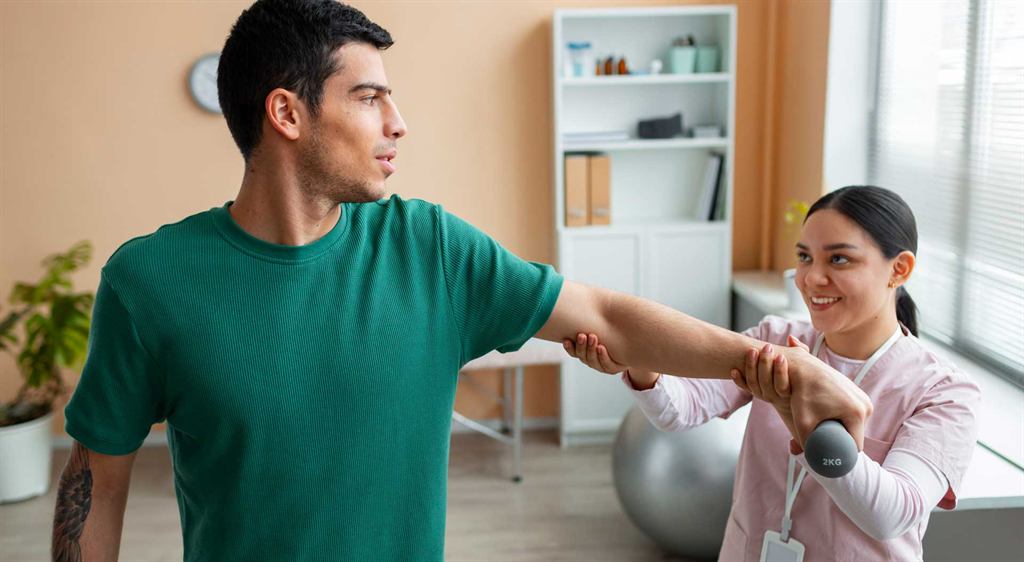
At New Life Physiotherapy Clinic, Dr. Y. Abhilash (PT) uses laser therapy as part of a complete treatment plan, together with manual therapy and exercise. It is especially useful when pain is too high to start exercise, or when an injury is slow to heal.
Laser light works at the level of the cells, which is why it helps with both fresh injuries and long-standing pain.
Book Free ConsultationCalms irritated nerve endings and reduces pain signals, giving relief that often starts within the first few sessions.
Lowers inflammation in joints, tendons and soft tissue — useful in arthritis, tendinitis and repetitive strain.
Boosts cell energy so damaged muscles, ligaments and tendons can repair faster after injury or surgery.
Increases local blood flow, bringing more oxygen and nutrients to the injured area and clearing waste products.
Helps tight, guarded muscles let go, so movement becomes easier and exercise more comfortable.
Can reduce burning, tingling and radiating pain from irritated nerves, such as in sciatica.
Supports drainage of excess fluid around sprains, strains and post-operative areas.
Used alongside manual therapy and exercise, it helps you progress through rehab sooner.
Laser therapy can help a wide range of painful muscle, joint, tendon and nerve problems. Tap a condition to learn more.
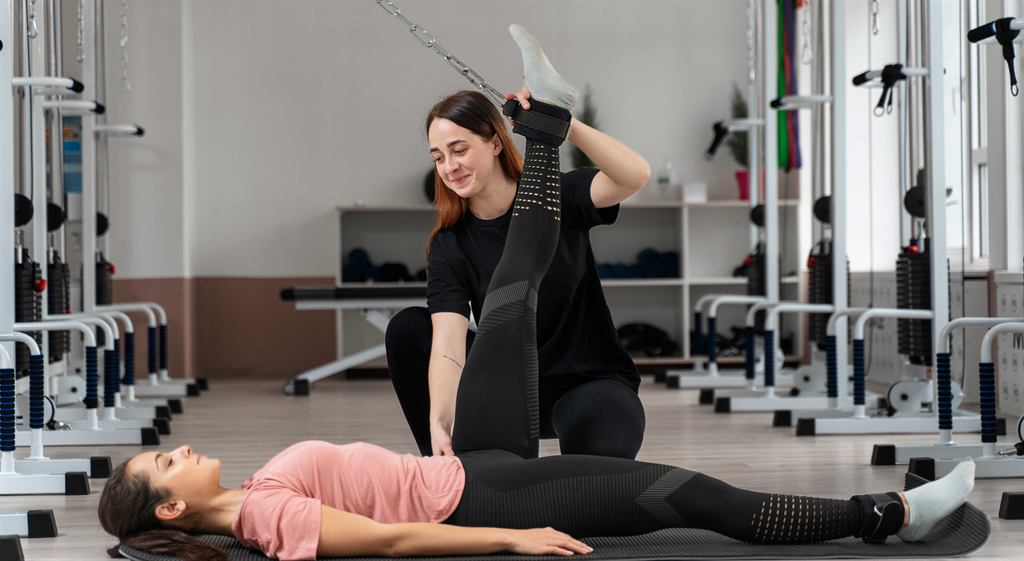
Each session is quick, comfortable and supervised one-to-one by Dr. Y. Abhilash (PT).
We examine the problem area and review your medical history to make sure laser therapy is right and safe for you.
You wear protective glasses while the laser probe is placed over the treatment points — usually a few minutes per area.
Laser is followed by manual therapy, taping or exercises as needed, so you get relief and lasting improvement.
We track your pain and movement every visit and adjust the dose and plan until your goals are met.
Laser therapy (low-level laser therapy or photobiomodulation) uses focused light to reduce pain and inflammation and help damaged tissue heal. It is non-invasive and used alongside manual therapy and exercise.
No. Most patients feel nothing at all or only a gentle warmth over the treated area. There are no needles or cuts involved.
Yes, when given by a trained physiotherapist. You wear protective glasses during treatment, and we check your medical history first. It is not used over the eyes, over cancerous areas, over the abdomen in pregnancy, or on people taking light-sensitising medicines.
Many patients notice less pain within 3–5 sessions. A typical course is 6–10 sessions depending on how long you have had the problem; we explain your plan after the assessment.
The laser itself usually takes 5–10 minutes per area. With manual therapy and exercises, a full physiotherapy session is around 30–45 minutes.
Yes, and it works best that way. Laser reduces pain and inflammation, so manual therapy and strengthening exercises can start sooner and be more effective.
More questions? See all FAQs
Book a free consultation with Dr. Y. Abhilash (PT) — or call us and we will find a time that suits you.