Joint Mobilisation
Slow, graded movements of a stiff joint to reduce pain and improve its range of motion — ideal for frozen shoulder, knee and spine stiffness.

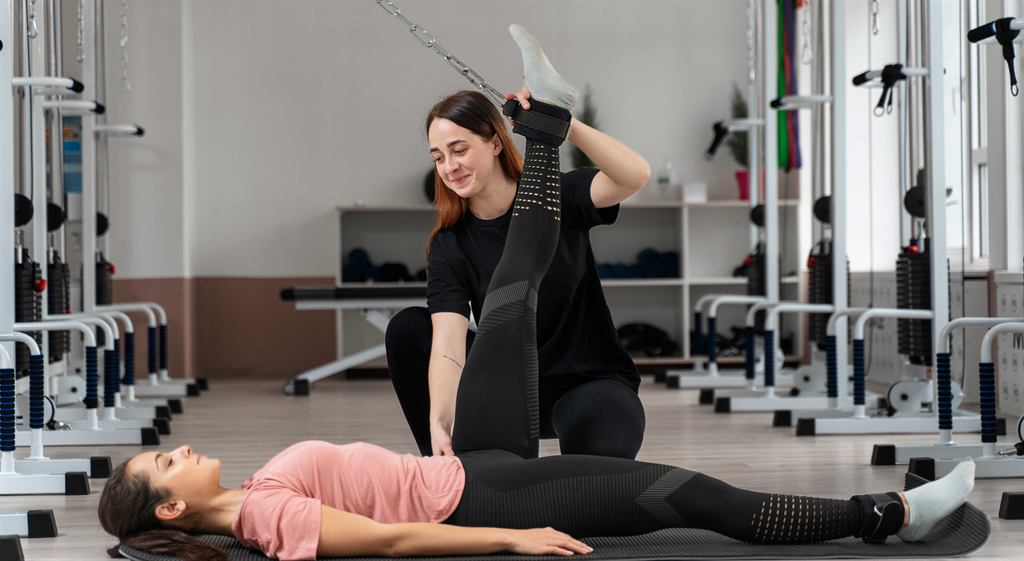
Manual therapy is a specialised branch of physiotherapy in which the physiotherapist uses their hands — not machines — to treat muscles, joints, ligaments and nerves. Through precise, controlled movements and pressure, it reduces pain, releases tight tissue and restores the normal movement of joints.
At New Life Physiotherapy Clinic, Dr. Y. Abhilash (PT) combines manual therapy with targeted exercise, so you get quick relief from pain and the strength to keep it from coming back. Every technique is chosen after a detailed assessment and adjusted to your comfort level.
Each technique has a specific purpose. We pick the right combination for your condition, stage of recovery and comfort.
Book Free ConsultationSlow, graded movements of a stiff joint to reduce pain and improve its range of motion — ideal for frozen shoulder, knee and spine stiffness.
Precise, controlled techniques to the spine that ease back and neck pain and restore normal movement between the vertebrae.
Deep, targeted massage that releases tight muscles, breaks down adhesions and improves blood flow to speed up healing.
Sustained pressure on the fascia — the connective tissue around muscles — to relieve deep tightness and chronic pain.
Direct pressure on painful knots in the muscle that refer pain elsewhere, such as headaches from neck muscles.
You gently contract a muscle against the therapist's resistance, which helps lengthen tight muscles and realign joints.
Gentle gliding of irritated nerves to calm radiating pain, tingling and numbness — useful in sciatica and nerve compression.
Internationally recognised mobilisation methods that combine joint glides with movement for fast, pain-free improvement.
Manual therapy is effective for a wide range of muscle, joint and nerve problems. Tap a condition to learn more.
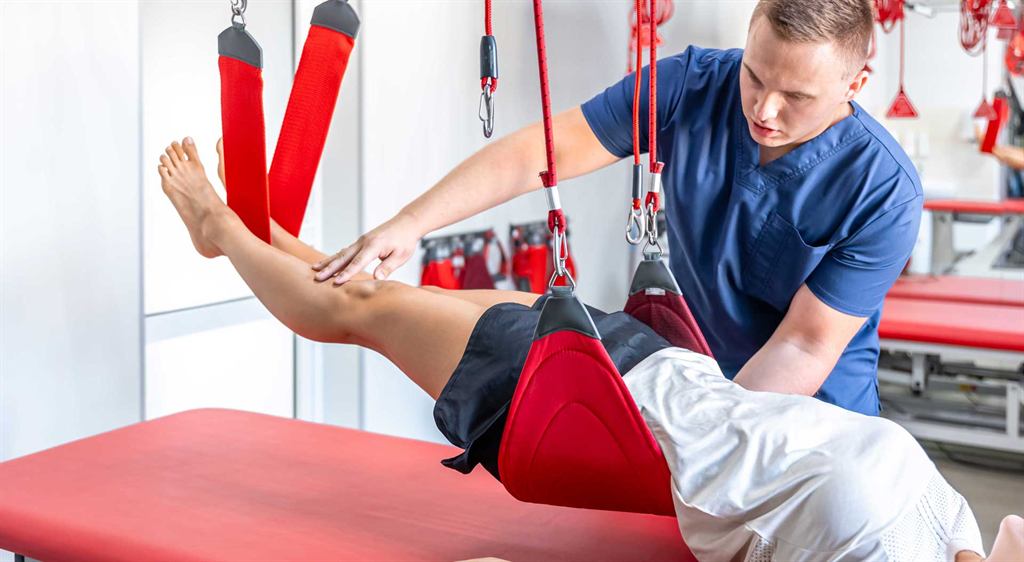
Every session is one-to-one with Dr. Y. Abhilash (PT), in a private and comfortable setting.
We discuss your history and examine posture, movement, joints and muscles to find the true source of pain.
The chosen techniques are applied gently, with pressure adjusted to your comfort at every step.
Corrective exercises and posture tips lock in the improvement and protect the treated area.
We re-test your movement every visit and update the plan until you reach your goals.
Manual therapy is hands-on treatment by a physiotherapist using techniques such as joint mobilisation, manipulation, soft tissue release and myofascial release to reduce pain and restore normal movement of muscles and joints.
Manual therapy is usually comfortable. You may feel some pressure or mild soreness in a tight area, but the physiotherapist always works within your comfort level and adjusts the technique if needed.
It depends on your condition and how long you have had it. Many patients feel better within 2–4 sessions; long-standing or complex problems may need a longer plan, which we explain after your assessment.
No. Massage mainly relaxes muscles, while manual therapy is a clinical treatment based on assessment. It works on joints, nerves and soft tissue to correct the cause of pain and is combined with exercises for lasting results.
Yes. Techniques are chosen carefully after checking your health, bone strength and medical history. Gentle mobilisation is very effective for age-related stiffness and arthritis.
No referral is needed. You can book directly with us. If you have scans, X-rays or reports, please bring them to your first visit.
More questions? See all FAQs
Book a free consultation with Dr. Y. Abhilash (PT) — or call us and we will find a time that suits you.